Tips and Tricks for Your Lunches!
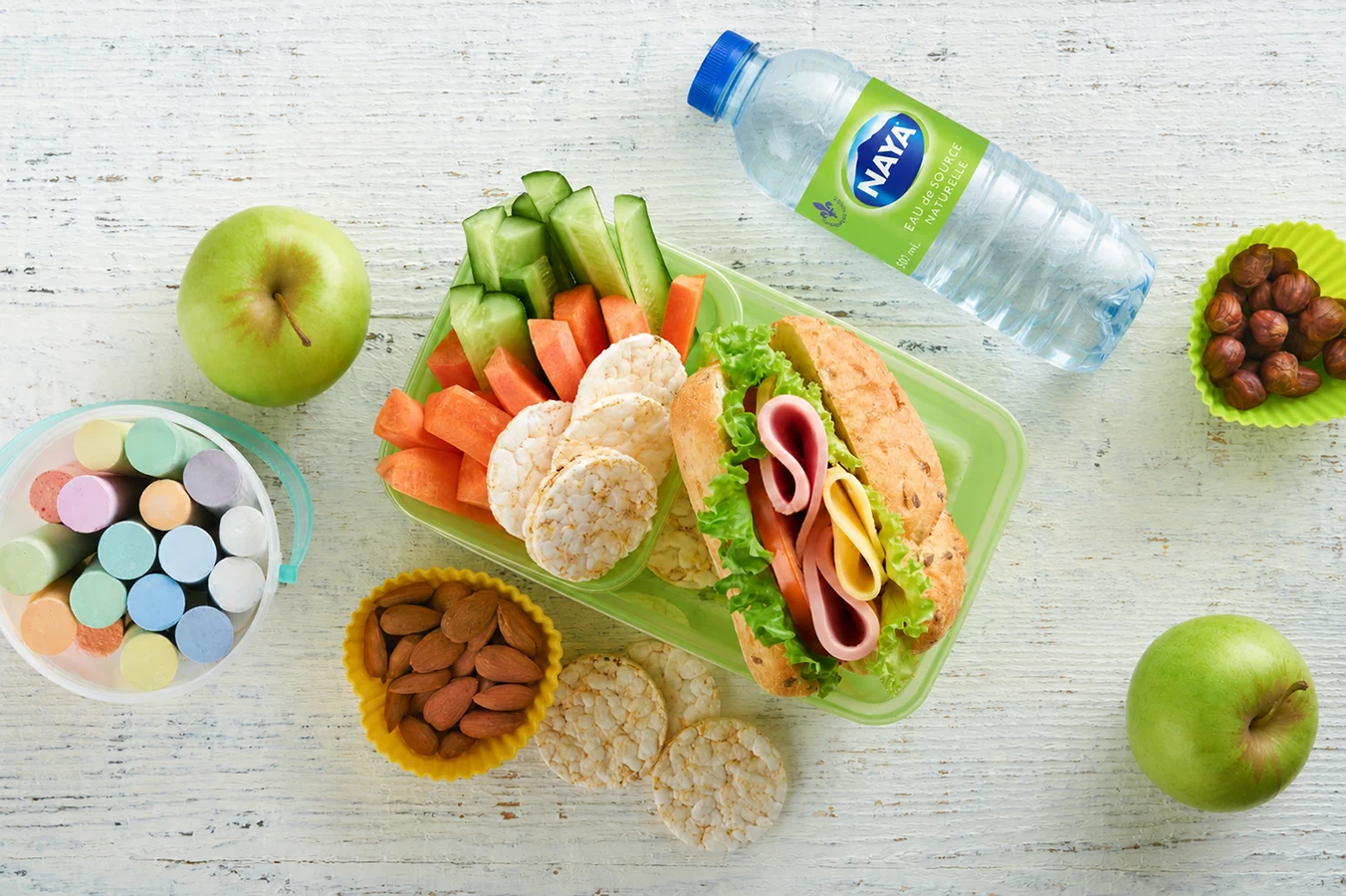
Preparing lunches every day can quickly become a challenge. Limited time, lack of inspiration, picky eaters… Yet with a few good habits, it is possible to turn this routine into something simple, efficient, and even enjoyable. Here is a practical guide to creating lunches that work for both parents and children.
Focus on Simplicity and Planning
The key to a successful lunch starts before the morning rush. By preparing basic ingredients ahead of time — such as rice, pasta, quinoa, or roasted vegetables — you can make meal assembly much easier.
An effective approach is to rely on simple meal formulas:
protein + grain + vegetables + sauce
This makes it possible to create variety without starting from scratch every day.
Cooking extra portions at dinner is also a great habit. Leftovers can quickly become ready-to-pack lunches that require very little effort.
To save even more time:
- prepare lunches the night before;
- freeze individual portions for especially busy days;
- keep a list of easy lunch ideas on the fridge or your phone;
- plan lunches at the same time as your grocery shopping to avoid forgetting essentials.
Organize for More Efficient Lunches
Good organization can make a big difference in your daily routine.
Using compartment containers helps keep food fresh and appetizing while preventing unwanted mixing. Keeping two or three versatile sauces on hand (such as vinaigrettes, yogurt-based sauces, or tahini) can also help transform the same ingredients into different meals.
Consider also:
- adding healthy snacks such as fruit, nuts, or yogurt;
- including a fresh element (herbs, lemon, or raw vegetables) to enhance flavours;
- varying textures (crunchy, creamy, hot, and cold) to make lunches more satisfying.
Adapt Lunches to Children’s Needs
For lunches to actually be eaten — and not brought back home — it is important to think about practicality and enjoyment.
Choose simple, familiar formats:
- sandwiches, wraps, and savoury muffins;
- cheese cubes and cut fruit;
- vegetable sticks.
Cutting food into smaller portions can help, especially for younger children. Avoid meals that are difficult to open or eat independently.
Involving children in choosing or preparing their lunches can also make a big difference. A child who participates is often more curious and more likely to eat what they helped create.
Make Lunches Appealing Without Overcomplicating Things
Children also eat with their eyes. A colourful and varied lunch can make meals more appealing.
A few simple ideas:
- include a variety of colours in the lunch box;
- use fun or compartment-style containers;
- create themed lunch boxes (tacos, breakfast, Italian, etc.).
These small changes help maintain a routine while avoiding repetition.
Aim for Balance Without Being Too Strict
A good lunch does not need to be perfect — it needs to be balanced and realistic. Adding a nutritious snack can easily complete a meal without relying on heavily processed products.
It is also perfectly fine to include a small treat. This can help children develop a positive relationship with food.
The most important thing is to adjust portions to a child’s actual appetite to reduce food waste.
Add a Personal Touch
A small note, drawing, or surprise in a lunch box may seem simple, but it can make a meaningful difference in a child’s day.
These small gestures add a personal connection to the meal, going beyond nutrition alone.
In Summary
With a little organization, simple ingredients, and a touch of creativity, preparing lunches becomes much easier. The goal is not perfection, but consistency: practical, balanced meals that children enjoy day after day.
Share